





Last Updated: May 23, 2026 04:42 PM
Cricket’s governing body plans to discuss several major rule changes soon. The International Cricket Council scheduled an important Board meeting on May 30. Ahmedabad hosts these crucial discussions about cricket’s future playing conditions.
Multiple amendments affecting all formats sit on the agenda currently. Some proposals could revolutionize how Test matches get played globally. The Chief Executives Committee already held virtual meetings reviewing these ideas.
If approved, these changes will become effective from October 1 this year. Sourav Ganguly’s ICC Cricket Committee provided valuable input during discussions. The amendments aim to solve practical problems cricket faces regularly nowadays.
The Pink Ball Proposal
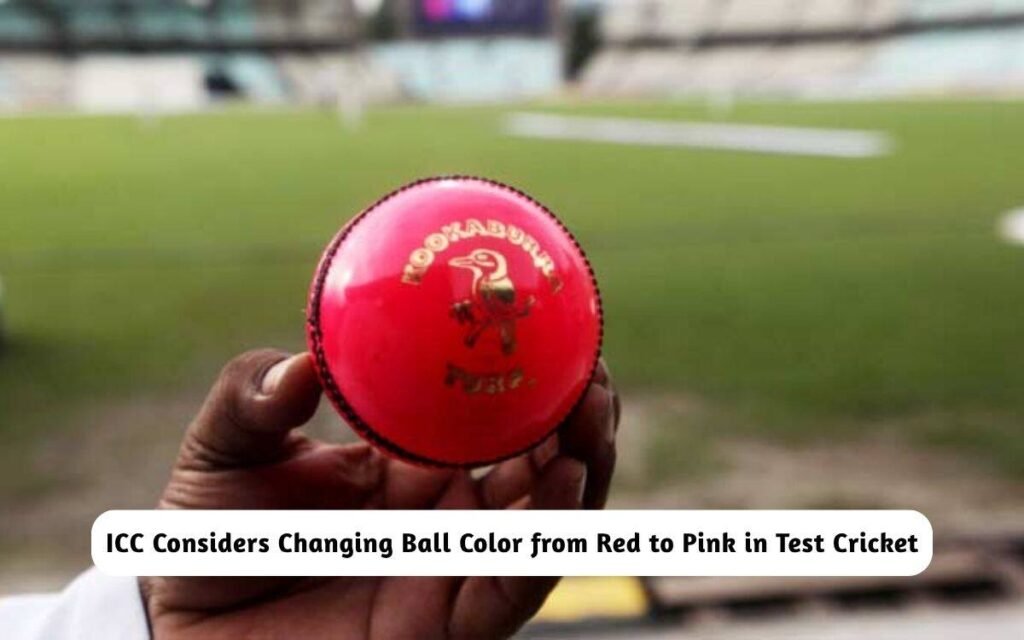
ICC considers changing ball color mid-match under specific circumstances during Tests. Teams could switch from red to pink in Test cricket. Both sides must agree in advance before any change happens.
Weather interruptions often force play to stop when the light becomes poor. The traditional red ball becomes invisible under floodlights at dusk. ICC considers changing the ball to pink to solve this visibility problem.
Pink balls show up much better under artificial lighting conditions. Players can continue playing safely after weather delays under lights. This flexibility helps in completing matches without losing entire sessions.
The red to pink in Test cricket switch needs mutual consent. Neither team can force the change without agreement beforehand. This protects the fairness aspect of Test cricket always.
Other Format Changes Proposed
T20I matches will see shorter innings breaks if approved. The gap between innings drops from 20 minutes to 15. Teams get less time regrouping between batting and bowling now.
Head coaches can enter the field during ODI drinks breaks. Currently only substitute players are allowed during these intervals. T20Is already permit coaches for tactical consultations on the field.
Coaches must wear proper cricket attire while entering playing areas. This maintains professional standards during international matches. The rule brings ODIs in line with T20I regulations.
Illegal Action Enforcement
On-field umpires might access HawkEye data during matches going forward. They can check for illegal bowling actions immediately now. This strengthens enforcement against suspect bowling actions significantly.
The technology helps identify problems faster than before. Fair play remains cricket’s most important principle under the ICC’s watch!